r/anhedonia
Personal Wiki
Vitamin D
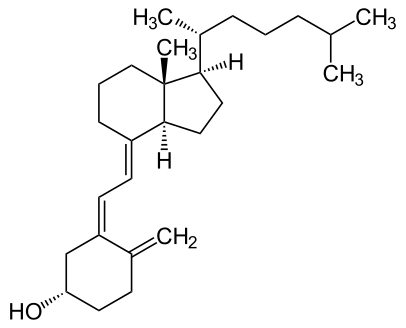
- Supplementation with vitamin D is a reliable method for preventing or treating rickets.
- Vitamin D supplements do not alter the outcomes for myocardial infarction, stroke or cerebrovascular disease, cancer, bone fractures or knee osteoarthritis.
- Vitamin D supplementation at low doses may slightly decrease the overall risk of acute respiratory tract infections.
- Vitamin D deficiency has been linked to the severity of inflammatory bowel disease (IBD).
- Supplementation leads to improvements in scores for clinical inflammatory bowel disease activity and biochemical markers, and less frequent relapse of symptoms in IBD.
- Vitamin D deficiency and insufficiency have been associated with adverse outcomes in COVID-19.
- Vitamin D supplementation substantially reduced the rate of moderate or severe exacerbations of chronic obstructive pulmonary disease (COPD).
- A meta-analysis reported that vitamin D supplementation significantly reduced the risk of type 2 diabetes for non-obese people with prediabetes.
- Another meta-analysis reported that vitamin D supplementation significantly improved glycemic control [homeostatic model assessment-insulin resistance (HOMA-IR)], hemoglobin A1C (HbA1C), and fasting blood glucose (FBG) in individuals with type 2 diabetes.
- In prospective studies, high versus low levels of vitamin D were respectively associated with a significant decrease in risk of type 2 diabetes, combined type 2 diabetes and prediabetes, and prediabetes.
- A systematic review included one clinical trial that showed vitamin D supplementation together with insulin maintained levels of fasting C-peptide after 12 months better than insulin alone.
- A meta-analysis of observational studies showed that children with ADHD have lower vitamin D levels and that there was a small association between low vitamin D levels at the time of birth and later development of ADHD.
- Several small, randomized controlled trials of vitamin D supplementation indicated improved ADHD symptoms such as impulsivity and hyperactivity.
- Clinical trials of vitamin D supplementation for depressive symptoms have generally been of low quality and show no overall effect, although subgroup analysis showed supplementation for participants with clinically significant depressive symptoms or depressive disorder had a moderate effect.
- A systematic review of clinical studies found an association between low vitamin D levels with cognitive impairment and a higher risk of developing Alzheimer's disease.
- People diagnosed with schizophrenia tend to have lower serum vitamin D concentrations compared to those without the condition.
- Erectile dysfunction can be a consequence of vitamin D deficiency.
- In women, vitamin D receptors are expressed in the superficial layers of the urogenital organs.
- Pregnant women often do not take the recommended amount of vitamin D.
- Low levels of vitamin D in pregnancy are associated with gestational diabetes, pre-eclampsia, and small for gestational age infants.
- Obesity increases the risk of having low serum vitamin D.
- Supplementation does not lead to weight loss, but weight loss increases serum vitamin D. The theory is that fatty tissue sequesters vitamin D.
- Bariatric surgery as a treatment for obesity can lead to vitamin deficiencies. Long-term follow-up reported deficiencies for vitamins D, E, A, K and B12, with D the most common at 36%.
- There is evidence that the pathogenesis of uterine fibroids is associated with low serum vitamin D and that supplementation reduces the size of fibroids.
- The US Adequate Intake recommendations from 1997 were 200 IU/day for infants, children, adults to age 50, and women during pregnancy or lactation, 400 IU/day for ages 51–70, and 600 IU/day for 71 and older.
- Conversion: 1 μg (microgram) = 40 IU (international unit).