r/anhedonia
Personal Wiki
Nattokinase
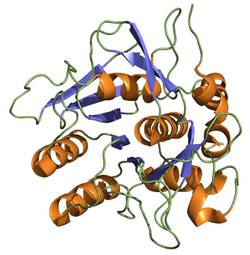
- Pharmacological Actions
- Nattokinase exhibits a range of pharmacological actions, primarily centered on cardiovascular and neuroprotective benefits. These actions include:
- Fibrinolytic/Antithrombotic Activity:
- Nattokinase directly degrades fibrin, the main component of blood clots, enhancing clot dissolution.
- It increases tissue plasminogen activator (tPA), which converts plasminogen to plasmin, further promoting fibrinolysis.
- It cleaves plasminogen activator inhibitor-1 (PAI-1), thereby increasing tPA activity and reducing clot formation.
- Enhances urokinase production, another fibrinolytic enzyme, and inhibits thromboxane formation, which reduces platelet aggregation.
- Reduces thrombus formation and slows the progression of atherosclerotic plaques, as evidenced by studies showing reduced carotid plaque size and intima-media thickness.
- Anti-atherosclerotic and Lipid-lowering Effects:
- Suppresses intimal thickening, a key factor in atherosclerosis.
- Reduces common carotid artery intima-media thickness (CCA-IMT) from 1.13 ± 0.12 mm to 1.01 ± 0.11 mm and carotid plaque size from 0.25 ± 0.12 cm² to 0.16 ± 0.10 cm² after 26 weeks at 6,500 FU daily.
- Lowers total cholesterol, LDL cholesterol, and triglycerides while increasing HDL cholesterol, with significant effects observed in clinical studies at doses of 4,000 FU for 8 weeks, though not always statistically significant.
- Antihypertensive Effects:
- Reduces systolic blood pressure by approximately 5.55 mm Hg and diastolic by 2.84 mm Hg after 8 weeks at 4,000 FU, with statistical significance (P < .05).
- Antiplatelet/Anticoagulant Effects:
- Inhibits platelet aggregation and decreases fibrinogen levels, similar to aspirin but without the bleeding side effects.
- Prolongs activated partial thromboplastin time (aPTT), with significant prolongation observed at 2 and 4 hours post-administration at 2,000 FU.
- Neuroprotective Effects:
- Degrades amyloid fibrils, potentially beneficial in Alzheimer’s disease, with studies showing reduced infarct volume and enhanced fibrinolytic activity in cerebral ischemia models.
- Protects against neuronal damage, with mechanisms including modulation of Alzheimer’s disease pathway factors.
- These actions are supported by clinical and experimental studies, such as those published in PMC articles and ScienceDirect reviews, highlighting Nattokinase’s potential in preventing and treating cardiovascular and age-related diseases.
- Timing of Pharmacological Actions
- The onset and duration of Nattokinase’s effects vary based on dosage and individual response. Studies indicate:
- Effects on coagulation parameters, such as increased D-dimer and fibrin/fibrinogen degradation products, are observable as early as 2 hours post-administration, with peak effects around 4 hours.
- Significant changes, such as factor VIII activity decline and aPTT prolongation, are noted at 4 and 6 hours following a 2,000 FU dose.
- The effects can last up to 8 hours or more, with some studies suggesting activity detectable up to 24 hours, consistent with its prolonged serum presence.
- This timing is derived from clinical trials, such as Kurosawa et al. (2015), which showed significant elevations in D-dimer at 6 and 8 hours post-dose, and Biogena’s observations of peak clotting effects at 4 hours, wearing off after 8 hours.
- Half-Life
- The half-life of Nattokinase is not explicitly stated in many sources, reflecting a gap in pharmacokinetic research. However, indirect evidence suggests:
- Peak serum levels are observed at approximately 13.3 ± 2.5 hours post-dose, as reported in a pilot study by Ero et al. (2013), indicating a relatively long duration of action.
- Compared to thrombolytic agents like t-PA and urokinase, which have half-lives of 4–20 minutes, Nattokinase’s effects last over 8 hours, suggesting a longer half-life, potentially in the range of 10-15 hours, though exact figures are speculative without further data.
- This uncertainty highlights the need for more extensive pharmacokinetic studies, as noted in reviews like Chen et al. (2018).
- Bioavailability
- Nattokinase’s oral bioavailability is confirmed, as it is effective when taken by mouth, with detectable serum levels and measurable effects on coagulation. Key points include:
- Studies, such as Ero et al. (2013), used enzyme-linked immunosorbent assays to detect Nattokinase in human blood following oral administration, showing activity from 2 to 24 hours post-dose.
- Animal studies, like those on rats, demonstrate effective absorption across the intestinal tract, inducing fibrinolysis after intraduodenal administration.
- However, the exact bioavailability percentage is not specified, with some sources noting a lack of convincing data on metabolism and absorption rates, indicating a need for further research.
- This oral effectiveness is supported by its long history of consumption in Japan and clinical studies, such as those referenced in PMC articles.
- Dosage and Safety
- Dosage recommendations and safety profiles are based on clinical studies and observational data:
- Common Dosage: Typically, 100 mg (2,000 FU) daily, as noted in Examine.com and WebMD, is used for cardiovascular health, with effects observed in short-term studies.
- Higher Doses: Doses up to 540 mg (10,800 FU) daily have been used for up to a year in China without adverse effects, as seen in PMC studies with 1,062 participants, showing efficacy in managing atherosclerosis and hyperlipidemia.
- Minimum Effective Dose: 2,000 FU daily is considered the minimum effective dose, based on studies showing significant fibrinolytic activity at this level.
- Maximum Safe Dose: While higher doses like 10,800 FU have been safe, caution is advised, especially for individuals on anticoagulants, with no clear upper limit defined beyond clinical study doses.
- Safe Range: Generally, 2,000 to 10,800 FU daily appears safe, with animal studies showing no toxicity at 480,000 FU/kg in mice, suggesting a high safety margin.
- Toxicity and LD50
- Specific LD50 values are not available for humans, but animal studies, such as the ScienceDirect article on acute toxicity, show no mortality or toxicological signs at doses up to 480,000 FU/kg in mice, which is 1,000 times the recommended human dose.
- This high tolerance suggests a wide therapeutic index, but human data is limited, with most studies reporting no adverse reactions at recommended doses.
- Risks and When It Becomes Dangerous
- The primary risk is an increased chance of bleeding, particularly when combined with other anticoagulants like warfarin or aspirin, as noted in Drugs.com and WebMD.
- Individuals with bleeding disorders, those undergoing surgery, or those on antihypertensive medications should use caution, with recommendations to stop at least 2 weeks before surgery.
- Excessive doses may exacerbate bleeding risks, with case reports of cerebellar hemorrhage in patients with ischemic stroke history, though such incidents are rare.