r/anhedonia
Personal Wiki
Hemp
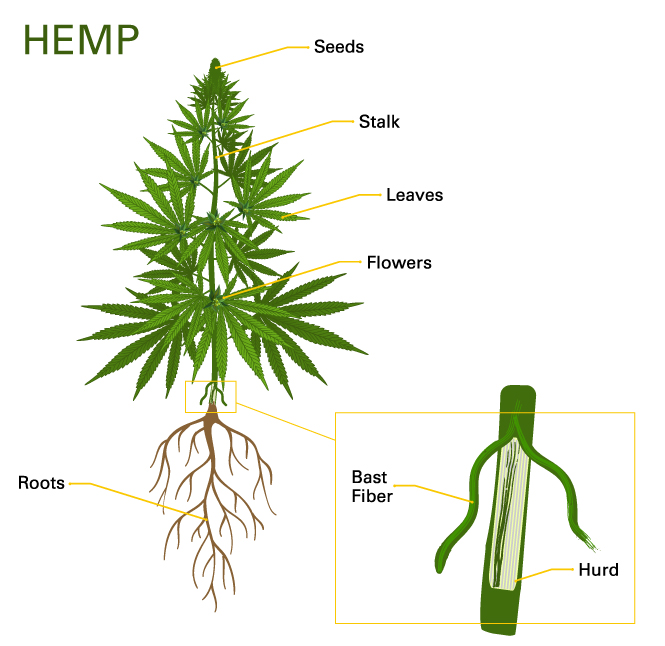
- Hemp, from the Cannabis sativa plant, is known for its low THC content and high levels of other compounds like CBD, which contribute to its pharmacological actions.
- These effects are primarily therapeutic and are being studied for conditions like epilepsy, anxiety, and inflammation.
- Hemp's key actions include reducing inflammation, helping control seizures, and easing anxiety, thanks to CBD and other cannabinoids. It also shows promise in protecting brain cells, fighting oxidative stress, and relieving pain, though more research is needed to confirm these benefits.
- Beyond CBD, hemp contains over 545 compounds, including terpenes and flavonoids.
- Hemp, derived from the Cannabis sativa plant, is distinguished by its low tetrahydrocannabinol (THC) content, typically below 0.3%.
- Its pharmacological actions are primarily attributed to a rich profile of bioactive compounds, including cannabinoids (such as cannabidiol [CBD], cannabigerol [CBG], and cannabidiolic acid [CBDA]), terpenes, flavonoids, and other secondary metabolites.
- Compound
- Pharmacological Action
- Mechanism/System
- Cannabidiol (CBD)
- Antiepileptic, anxiolytic, antipsychotic, anti-inflammatory, reduces trauma-induced anxiety
- Endocannabinoid system, serotonin system (5-HT1A), TRP channels, GABA-A receptors
- Cannabidiolic Acid
- Anticonvulsant, anti-inflammatory, inhibits COX-2, inhibits cancer cell migration
- Cyclooxygenase-2 inhibition, TRP channels
- Cannabigerol
- Anti-inflammatory, beneficial for inflammatory bowel disease
- TRPA1 agonist, cannabinoid receptors
- Terpenes (e.g., Beta-caryophyllene)
- Anti-inflammatory, dietary cannabinoid
- CB2 receptor activation
- Flavonoids (e.g., Cannflavin A)
- Antioxidant, neuroprotective, inhibits prostaglandin production
- Non-specific interactions, antioxidant activity
Anti-inflammatory Action
- CBD, CBDA, CBG, and terpenes like beta-caryophyllene contribute to anti-inflammatory effects by inhibiting COX-2 and activating CB2 receptors, which are part of the immune response regulation.
Antiepileptic Action
- CBD is particularly noted for its antiepileptic properties, with FDA approval for treating certain epilepsy types, such as Dravet syndrome. This effect is mediated through interactions with GABA-A receptors and TRP channels.
Anxiolytic Action
- CBD's interaction with the serotonin 5-HT1A receptor is believed to reduce anxiety, offering potential for mental health applications.
Neuroprotective Action
- Both CBD and flavonoids exhibit neuroprotective effects, potentially beneficial in neurodegenerative diseases like Huntington's. This is linked to their antioxidant properties and interactions with the endocannabinoid system.
Antioxidant Action
- Flavonoids and other compounds in hemp, such as cannflavin A, provide antioxidant effects by neutralizing free radicals.
Analgesic Action
- CBD and other cannabinoids may relieve pain by interacting with the endocannabinoid system and pain pathways, offering potential for pain management.
Anticancer Potential
- CBDA has shown preliminary evidence of inhibiting cancer cell migration, suggesting a role in cancer research.
Modulation of the Endocannabinoid System
- Many hemp compounds interact with CB1 and CB2 receptors, influencing mood, pain perception, appetite, and immune function.
Nutritional and Additional Pharmacological Considerations
- Hemp seeds, rich in omega-3 and omega-6 fatty acids, contribute to cardiovascular health and anti-inflammatory effects, though these are more nutritional than directly pharmacological in the context of bioactive compounds.
- Essential oils from hemp also exhibit antibacterial and insecticidal properties, which may have therapeutic applications in infection control, though these are less directly relevant to human pharmacology.